


[PTC5187527]
This album opens, closes and mixes in, short, almost fragmentary works from Album for Kamila Stösslová, who he was besotted with, by Janacek, his Moravian folk songs and the writer Leo Tolstoy, who wrote the Kreutzer Sonata, which frame his two Quartets and one by the little-known, short-lived, female Czech composer, Vítězslava Kaprálová (1915–1940).
The beautifully arranged folk tunes, as you might expect, are musically sophisticated, the Tolstoy a charming little Waltz and the Janacek pieces are softer edged chips off his Quartet writing block.
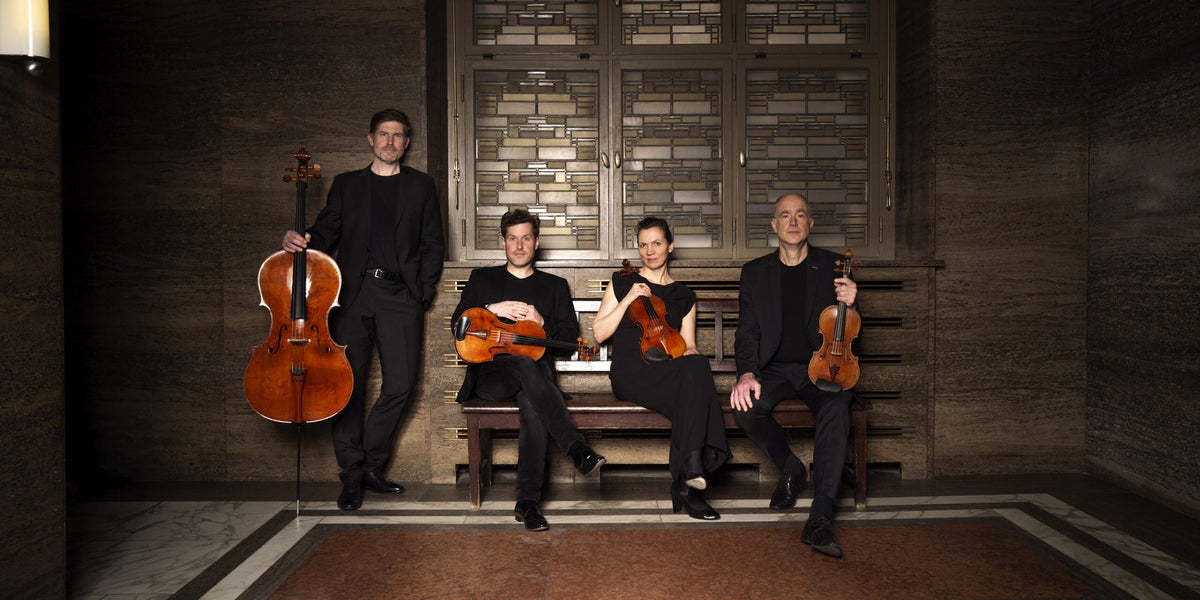
There are loads of performances of the Quartets, with something to suit every taste. The Signum’s create defined, transparent textures, in part down to the use of variable vibrato, and seem able to read the composer’s extraordinary syntax, based on his intimate knowledge of the Czech language. They also realise just how operatic so much of his writing is and eloquently phrase the long and short melodic lines. Rhythmically they often bring an unusual lightness of touch, without forfeiting attack and all of the tempo changes sound natural. But they can also shock. As in the second movement of the Kreutzer, where their glacial attack in the central section paves the way for possibly the most ferocious account of the scurrying sul ponticello demisemiquaver passages on disc.
First performed in 1936, Kaprálová’s Op.8 is an accomplished piece, very clearly influenced by Janacek and Dvorak. The first movement is dance-like. The Lento suffers from the problem that affects so many less than great composers, the inability to write great tunes and the finale’s variations are inventive, without being outstanding. Nevertheless, the Signum’s are just as skilful and convincing as in the Janacek.
Pentatone record in 24/96 but offer higher resolutions via NativeDSD.com and DSD512 was downloaded. As ever this means there is plenty of space between the players, a good sense of the Hall acoustic and the instrumental timbres are good if a little thin. Recording in DSD256 or DXD might have improved all of this.
The generous running time is very welcome in a world where many producers seem to have forgotten how long CDs can be.


