Welcome to ‘Dodd’s Discoveries’, a review series from NativeDSD Senior Music Reviewer Bill Dodd. This series focuses on Bill’s latest selections, with new reviews regularly. And the best part… the albums featured in the most current review will be available at a reduced price! Click the button below to see all of Dodd’s Discoveries and to find the current album(s) on sale.
Now Available at 40% OFF!
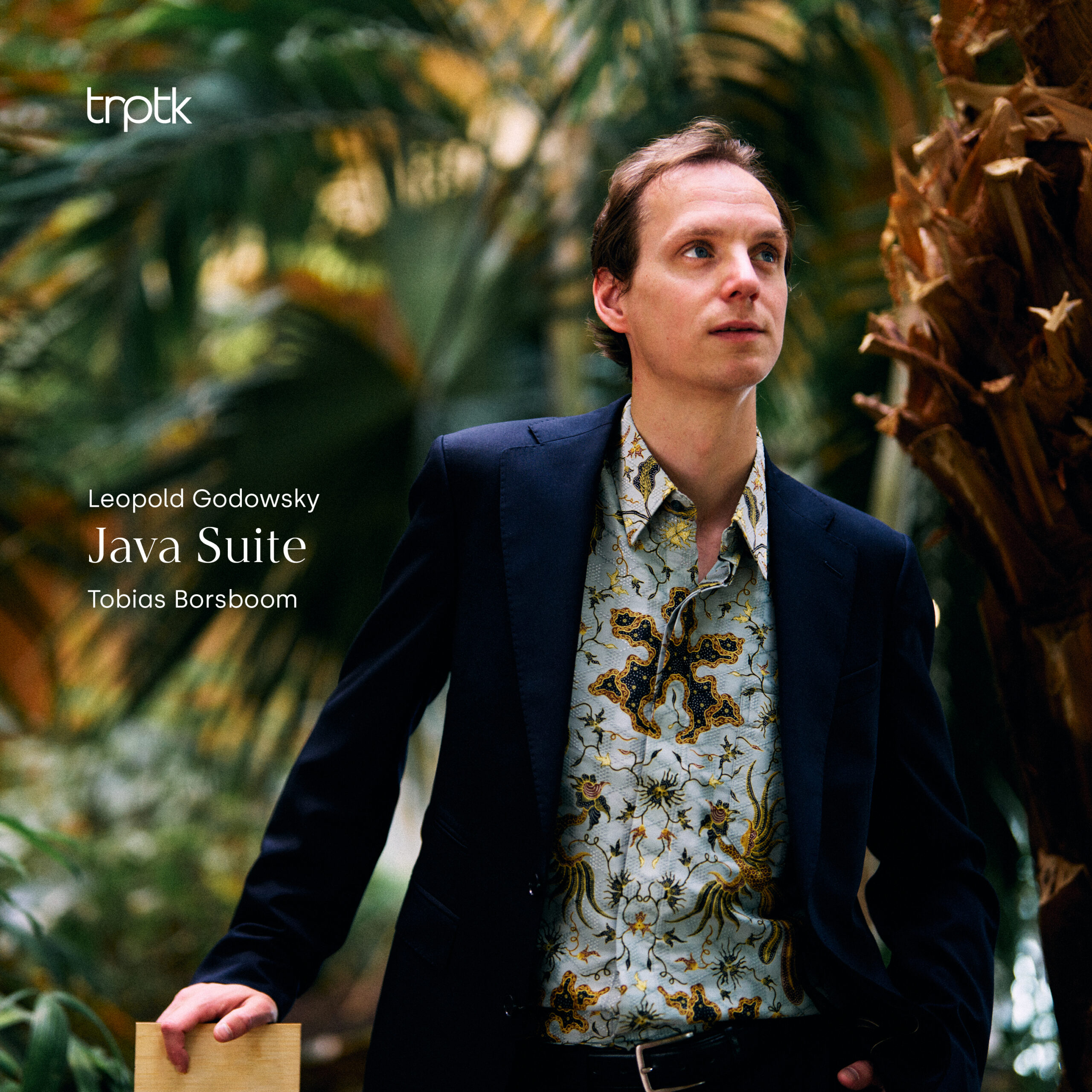
I didn’t know much about Polish-American pianist and composer, Leopold Godowsky (1870-1938). I saw his name occasionally, but it wasn’t until I spent some time with his Java Suite that I wanted to know more. Godowsky is celebrated for his extraordinary technical imagination and his ability to transform the piano into an almost orchestral instrument. He was widely admired as a virtuoso and as a teacher in both the US and Europe. And he was held in especially high regard by luminaries like Busoni, Saint-Saens, and Rachmaninoff.
Godowsky’s Java Suite (1924-25) is a 12-movement “tonal travelogue” inspired by Javanese culture, landscape, and Javanese gamelan music. Gamelan is a traditional Indonesian musical ensemble, built around a shimmering, interlocking world of tuned percussion.
These two albums offer excellent performances, but with strikingly different interpretations. Tobias Borsboom brings a structural clarity and rhythmic definition, and also takes things just a bit slower. Julian Chan emphasizes color and flow. There is a huge difference, but both treat the work as a complete artistic statement rather than a virtuoso showpiece.
With Borsboom, you are experiencing Java. With Chan, you are consumed by it. I am no expert, but I’m guessing that Chan is closer to the gamelan atmosphere and “experience,” but I think Borsboom is showing us the images that Godowsky intended.
So, do you meditate with Chan, or visit with Borsboom?
Each pianist is superb. Each viewpoint is completely valid. Each recording is excellent. Picking just one, I lean towards the Borsboom, but the samples are there for you to make your own decision. There is no “right” or “wrong.” Both are remarkable experiences.
You might also be interested in this marvellous Debussy album, which features “Pagodes” which was also inspired by Java’s gamelan music.

I agree with you, Bill. It’s fun and interesting to hear artist’s unique and sometimes very different interpretations of a composer’s work. I purchased Borsboom’s album prior to your current blog, and now also own Chan’s album thanks to your blog. Both albums are beautifully played, and with very different energy/perspective. Perhaps the artist’s ages might play into their differences.
For anyone interested in Godowsky’s work, as I now am, Roman Borisov’s enjoyable album at Native also offers up Godowsky’s “free arrangements” of works by four old masters.
Comment by Bill S on February 11, 2026 at 02:27