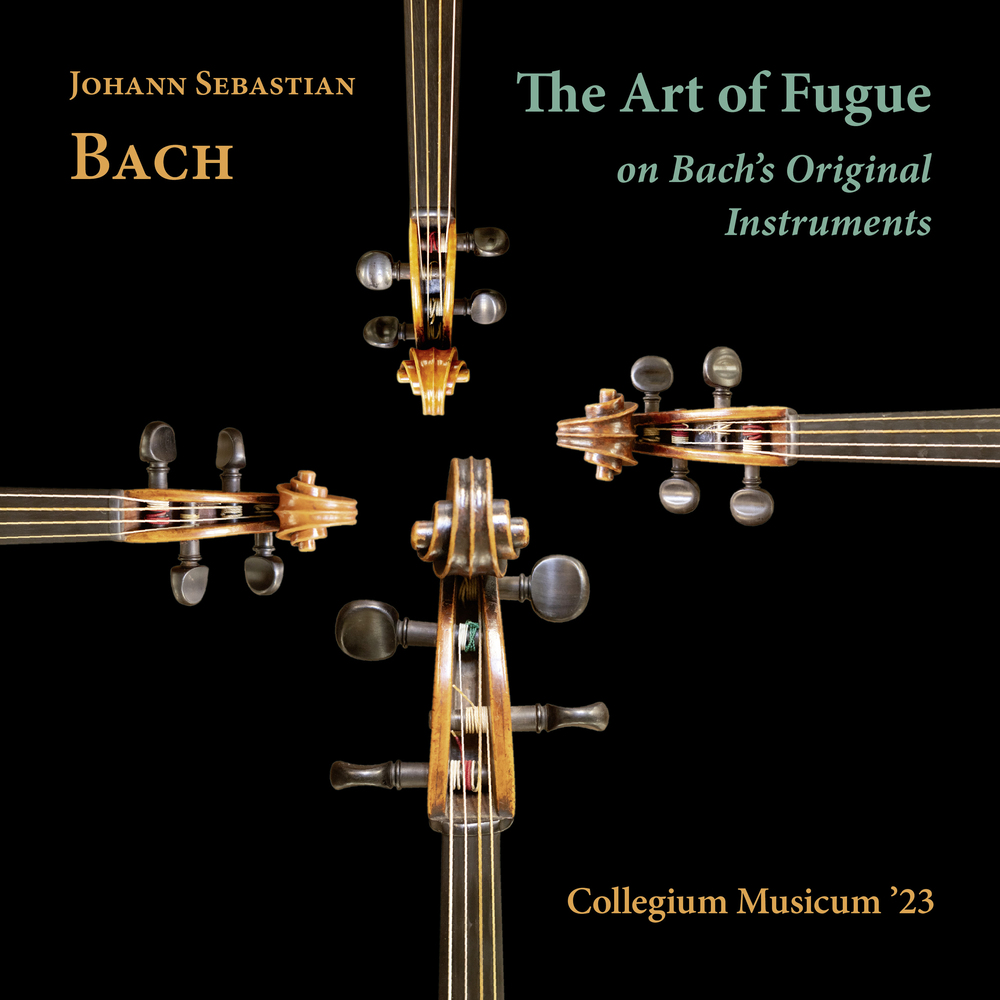
Johann Sebastian Bach took the opportunity to enhance the previously mediocre inventory of string instruments in Leipzig’s two main churches in 1729 by purchasing four violins, two violas and two cellos from the workshop of Johann Christian Hoffmann (Leipzig 1683-1750). Three of these eight instruments, two violins and a viola, are still owned by the Thomaskirche. They could only be admired in a display case for decades, but here they can be heard in a recording for the first time.
The Art of Fugue is framed by Bach’s first and last Leipzig chorale arrangements, recorded on the Hildebrandt organ in Störmthal near Leipzig, which Bach had examined and inaugurated. Hearing these emblematic works on instruments that the Cantor himself had played is an extraordinary experience that provides direct historical testimony to the sound world of Johann Sebastian Bach.
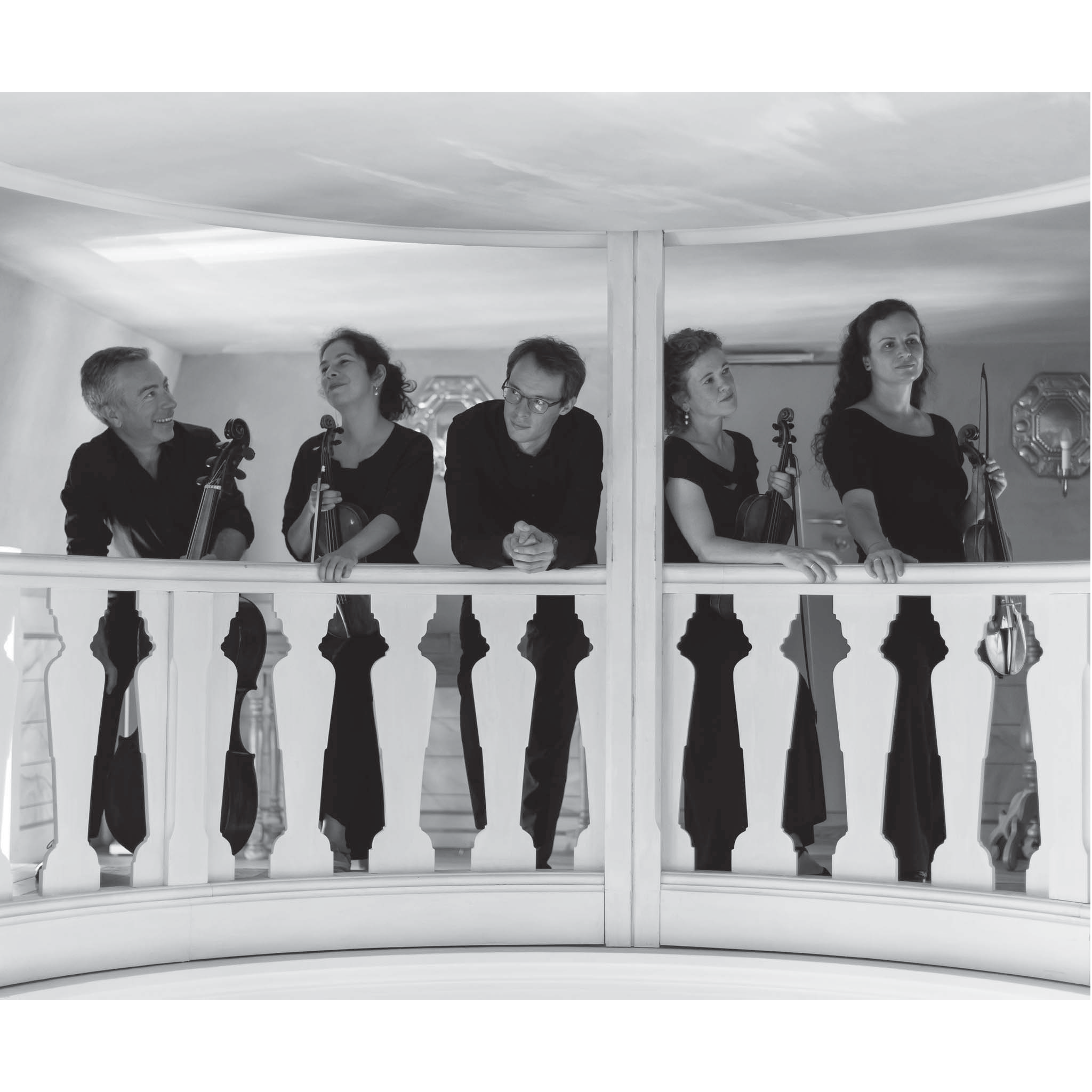
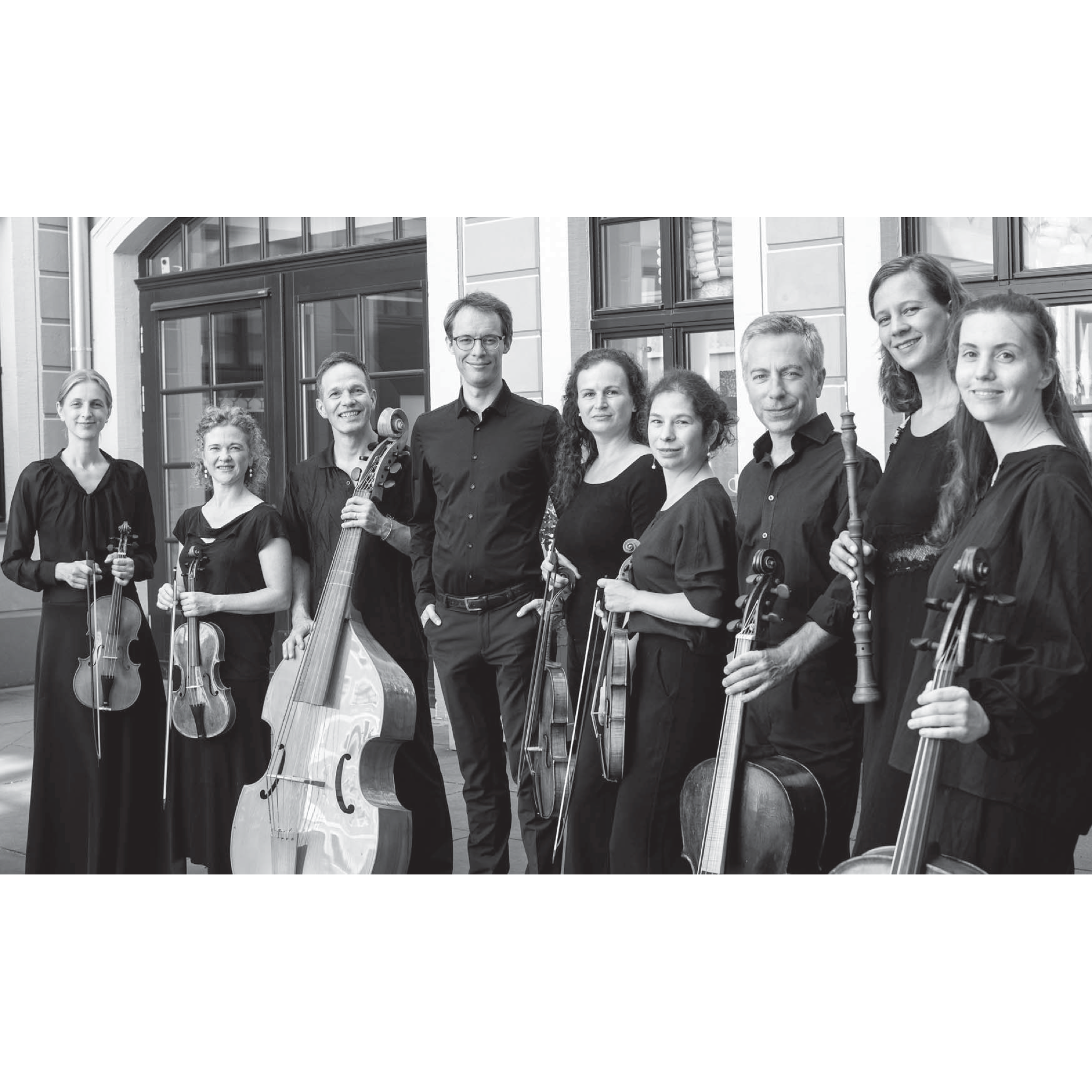
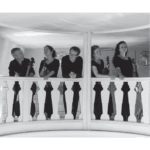
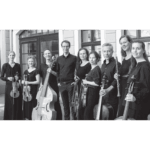
Collegium Musicum ’23
Nadja Zwiener – violin 1
Anna Dmitrieva – violin 2
Magdalena Schenk-Bader – viola
Joseph Crouch – cello
Johannes Lang – organ
Hedwig Ohse – violin (tracks 7–9)
Anna Reisener – cello (tracks 7 and 17)
Tracklist
Please note that the below previews are loaded as MP3.Total time: 01:22:29
Additional information
| Label | |
|---|---|
| SKU | RAM2406 |
| Qualities | DSD 512 fs, DSD 256 fs, DSD 128 fs, DSD 64 fs, DXD 24 Bit, FLAC 192 kHz, FLAC 96 kHz |
| Channels | |
| Artists | |
| Composers | |
| Genres | |
| Original Recording Format | |
| Recording Location | Bach-Archiv (Sommersaal), Leipzig (strings) and at the Kreuzkirche, Störmthal (organ) |
| Recording Engineer, Artowrk & Layout | Rainer Arndt |
| Release Date | June 13, 2025 |
Press reviews
CD HotList
It’s a provocative title, but well justified. Four of the five stringed instruments used for this recording (two violins and a viola built by Johann Christian Hoffmann in 1729; an anonymous 18th-century cello built in Leipzig; a five-string cello built by Andreas Hoyer in Klingenthal in 1742) were acquired by the Thomaskirche in Leipzig for use by Johann Sebastian Bach and his musicians several years into his tenure as cantor. The instruments have been in continuous use since then, so they’ve been subject to repairs and some degree of modernization, but there is still a significant fascination to hearing them used in service of Bach’s music today. What makes this recording even better is the pleasure of hearing this particular masterwork, The Art of Fugue, played on what is effectively a string quartet. Hearing the different voices of these counterpoint exercises performed on different instruments (rather than on a keyboard) sheds a different light on the music and makes Bach’s genius even more apparent. Academic libraries should take special note of this release.
Only logged in customers who have purchased this product may leave a review.


Reviews
There are no reviews yet.