Written by Adrian Wu
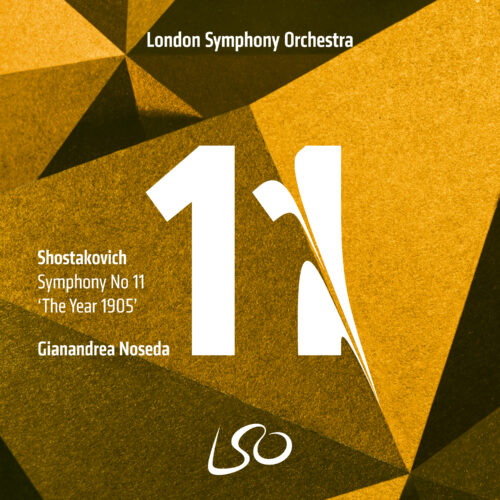
Shostakovich: Symphony No. 11 “The Year 1905”
Quality and Channels Help
Title: Dmitri Shostakovich Symphony No 11 in G Minor, Op 103, ‘The Year 1905’
Conductor: Gianandrea Noseda
Orchestra: London Symphony Orchestra
Format reviewed: DSD 128
I have great fondness for the music of Shostakovich, including his symphonies, film scores, concertos and string quartets. Over the years, I have collected a substantial number of LPs and master tape copies of some notable recordings of these works. Several of his symphonies in particular can be regarded as historical artifacts documenting the events of Mother Russia during the first half of the 20th century. The composer himself lived constantly under the threat of political persecution for much of his life, which has left an indelible imprint on his music output. To truly appreciate his music, we need to familiarize ourselves with the conditions which the composer had to contend with during the creative process.
I decided to pull out an LP of his symphony no. 11 one evening last week, one that I have neglected for many years. This was the 1980 EMI recording of the Bournemouth Symphony Orchestra under the baton of Paavo Berglund. I bought it new shortly after its release as it was praised by the audiophile press of the time as being of demonstration quality. I remember being impressed by this recording all those years ago, on my system bought second-hand on a student’s budget. After giving it a wash on the Degritter machine, the LP played as new and was as impressive as I remember it. This is indeed a great recording to tax the capabilities of an audio system, in addition to being a powerful piece of music.
Shostakovich wrote the piece in 1957 to mark the 40th anniversary of the October Revolution, and was awarded a Lenin prize for his effort. This might be the reason why the symphony was initially not taken seriously by Western critics, who condemned the music as Soviet propaganda and a glorified film score. But the years of fighting for survival under the tyranny of Stalin (who died in 1953) had honed his skill in placating the Soviet censors by writing music with deep (and sometimes subversive) meaning that appears superficial. (This reminds me of Cuban cigars being labelled as Dominican Republic in origin to avoid US sanctions). He was lucky to have outlived his tormentor, while his long-suffering compatriot Prokofiev died on the same day as Stalin. This symphony describes the sequence of events that kicked off on January 9, 1905, when Russians petitioned the Tsar in front of the Winter Palace at St. Petersburg, hoping that he would address the corruption and incompetence of his government. Instead, troops were ordered to fire on the demonstrators, resulting in the death of hundreds. Many historians believe that this event was the beginning of the October Revolution that ultimately overthrew the Tsarist regime.
I wanted to hear a good modern recording of this work, recorded in DSD format, to compare to the EMI recording made at the twilight of the analogue era. The recording under review was made live at the Barbican Hall in 2022, in DSD256 format. It is not a pure DSD recording as post-production likely involved conversion to PCM. The label LSO Live is owned by the London Symphony Orchestra, with the revenue generated shared with the players and conductors. It is a shrewd way to generate additional revenue from the subscription concerts, and to broaden the audience base of the orchestra.
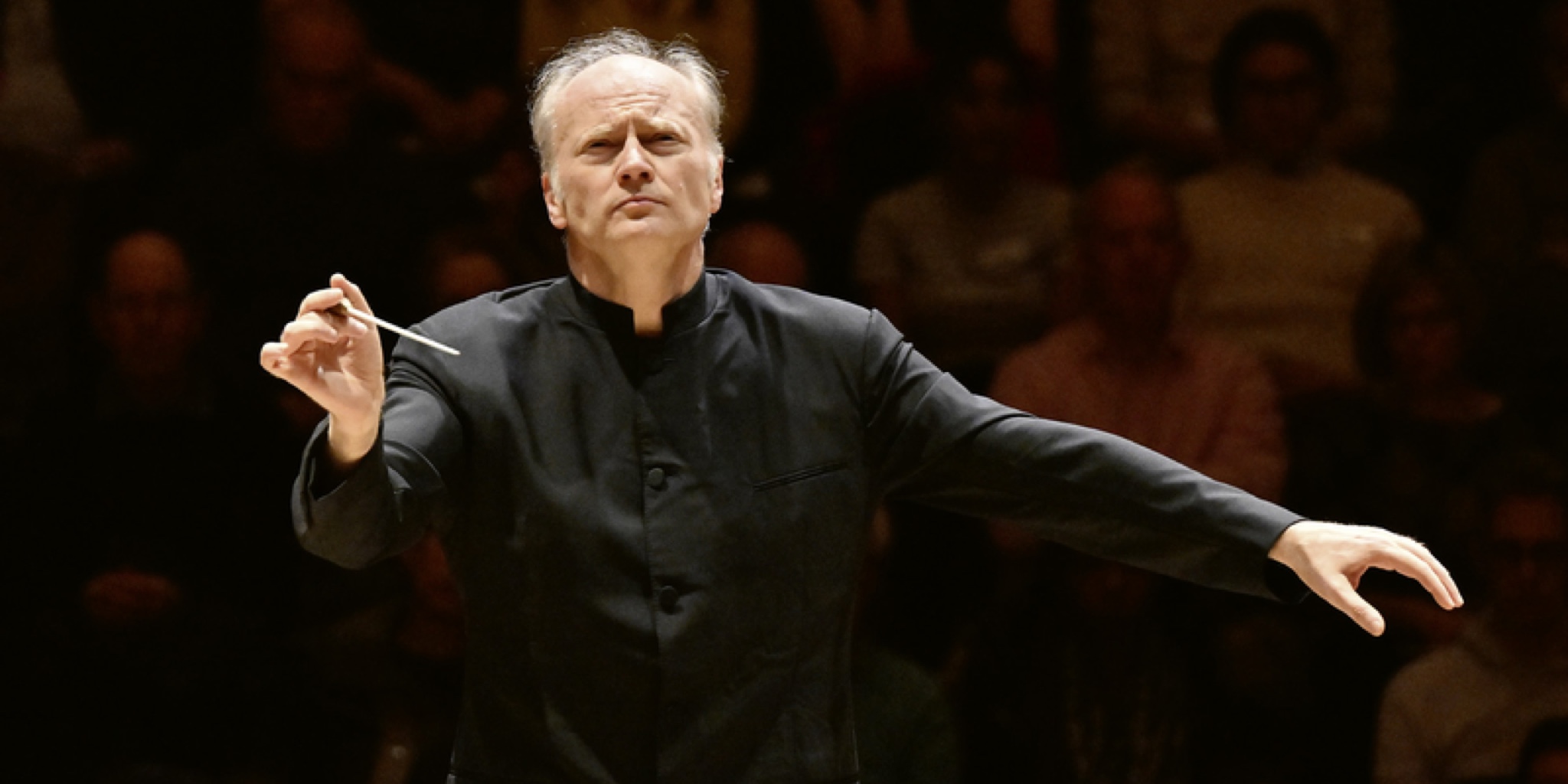
I have not had the good fortune of hearing maestro Noseda live, but I would definitely love to attend one of his concerts if this recording is representative of his work. The first movement of Berglund’s recording sets the atmosphere for the rest of the work, with a sense of foreboding for the inevitable (as we now see it). Noseda’s first movement sounds even more ominous, no doubt helped by the superiority of the orchestra in executing the sustained dark, menacing atmosphere of this passage. The non-existent background noise of the DSD recording also helps, whereas the surface noise and occasional pops that are inevitable in LPs of this vintage can be quite distracting in quiet moments such as this. On the other hand, Berglund’s second and fourth movements seem to have more tension, and his tempo seems to be more flexible and perhaps more extreme. This is not to say Noseda lacks excitement in these more dynamic movements. The LSO always sounds in total control, whereas the Bournemouth players are less polished and the result is more raw. It gives one the impression that the orchestra is on the edge of losing control, which only adds to the excitement. The Berglund reminds me of Mravinsky’s performances with the Leningrad Philharmonic of an earlier era, whereas the Noseda would be what one expects from a top conductor and orchestra today, polished and technically perfect. But Shostakovich’s music always has some rough edges, which could perhaps benefit from a little less polish. Karajan, a conductor whom I often find too polished and meticulous as to make some music sound bland and contrived, surprisingly made a wonderful recording of Shostakovich’s 10th on DGG. Noseda’s account here is highly exciting, with an extremely dynamic sound that pushes the envelope on most systems. It has good depth perception, as showcased by the solo woodwinds that appear out of the dark recesses during the first movement. But it is during the loud passages that impresses the most; the strings are never shrill, and the tympani strikes have an explosiveness, solidity and fullness that is very satisfying. It gets as close to what one hears in a concert hall as any recording I have heard. Sound such as this can never be reproduced on LPs (I regard the LP vs. digital debate as settled). The only nit is a slightly dry acoustic, when compared to recordings made at top recording venues such as Kingsway and Boston Symphony halls. To fully appreciate this recording, a full range system with a wide dynamic range (read horns) and tolerant neighbours are required.