Originally written by Joël Chevassus for Audiophile-Magazine
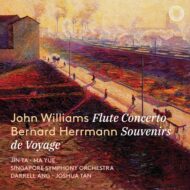
This recording by the Singapore Symphony Orchestra, for the Pentatone label, showcases the concert works of three renowned American film composers: John Williams, Bernard Herrmann and Hugo Friedhofer.
The album program explores the purely classical facet (and therefore outside of film music) of these composers through two works by John Williams (“Concerto for solo flute, strings and percussion”, “Essay for Strings”), Bernard Hermann’s “Souvenirs de Voyage”, and Hugo Friedofer’s “Suite for 5 woodwinds”.
John Williams’ Concerto for Flute, Strings, and Percussion is a work of great expressive richness, performed here by flautist Jin Ta. It is undoubtedly one of Williams’ most daring, modern, and avant-garde concert works. Far removed from the romantic or heroic style of his film scores, this concerto explores a predominantly atonal language and emphasizes textures and mysterious atmospheres.
John Williams composed this piece after attending demonstrations of the shakuhachi (the traditional Japanese bamboo flute) whose expressive freedom he sought to imitate, asking the soloist to play in an almost improvised manner, with a straight sound, almost without vibrato.
To allow the flute to reign supreme over the high, woody frequencies, Williams made the radical decision not to include any other wind instruments. The accompanying orchestra consists exclusively of strings, percussion (including marimba and vibraphone), a piano, a harp, and a celesta.
Although the atmosphere contrasts with the composer’s film music repertoire, it is nonetheless suggestive and spectacular, with the flute and percussion conveying a particularly impressive energy.
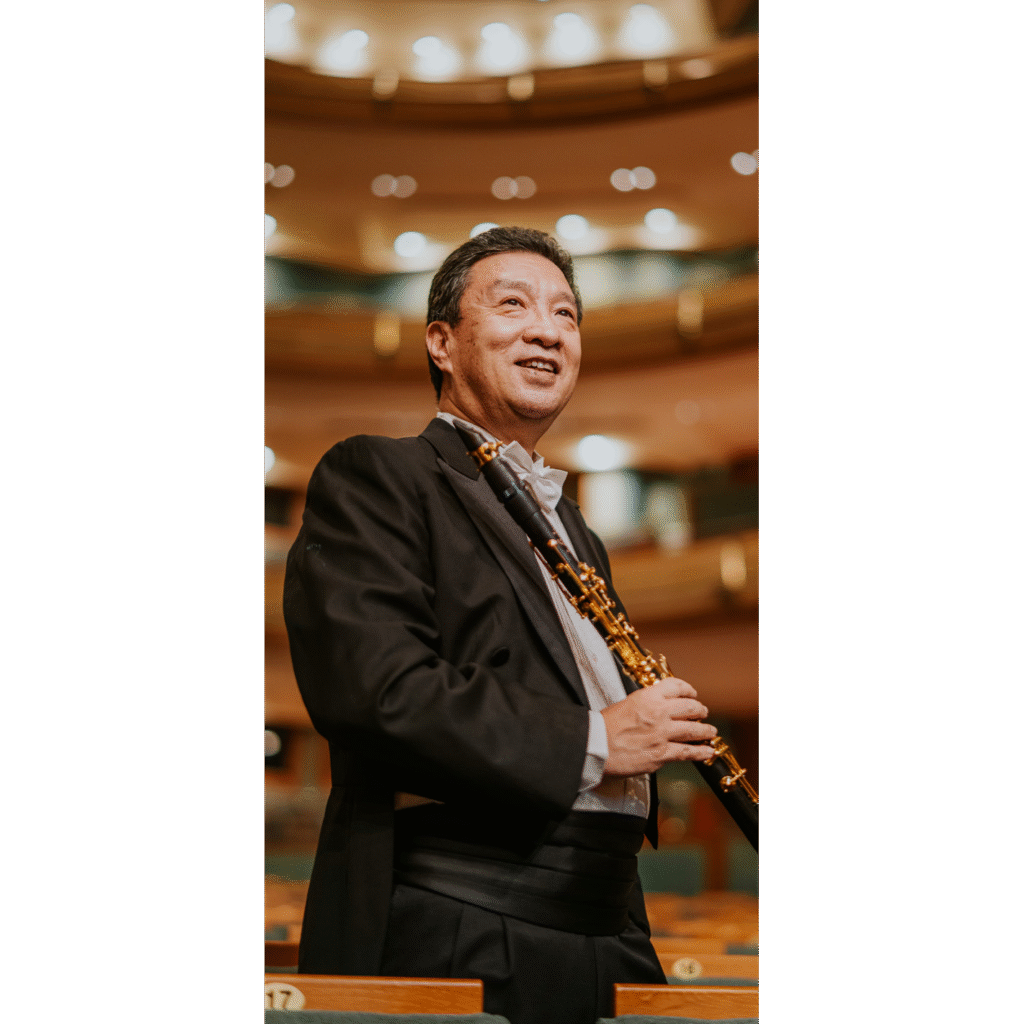
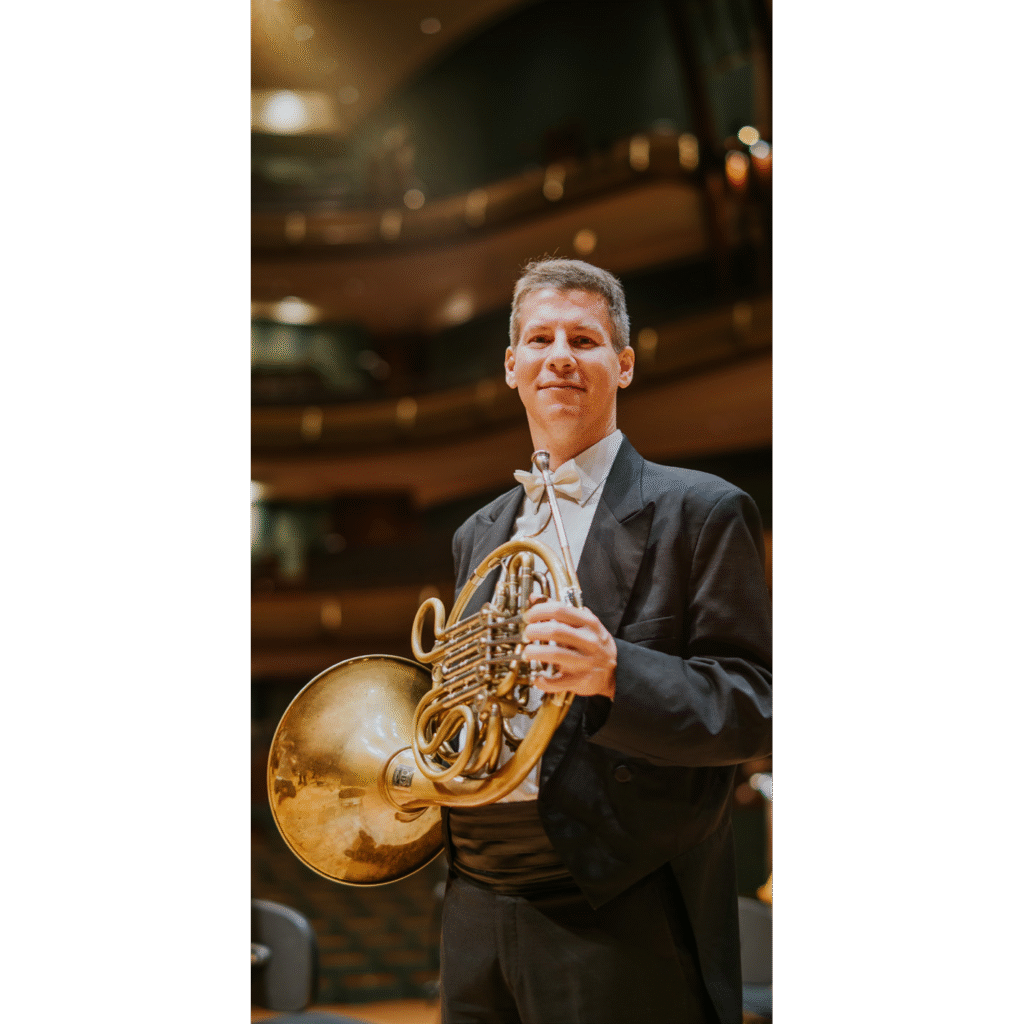
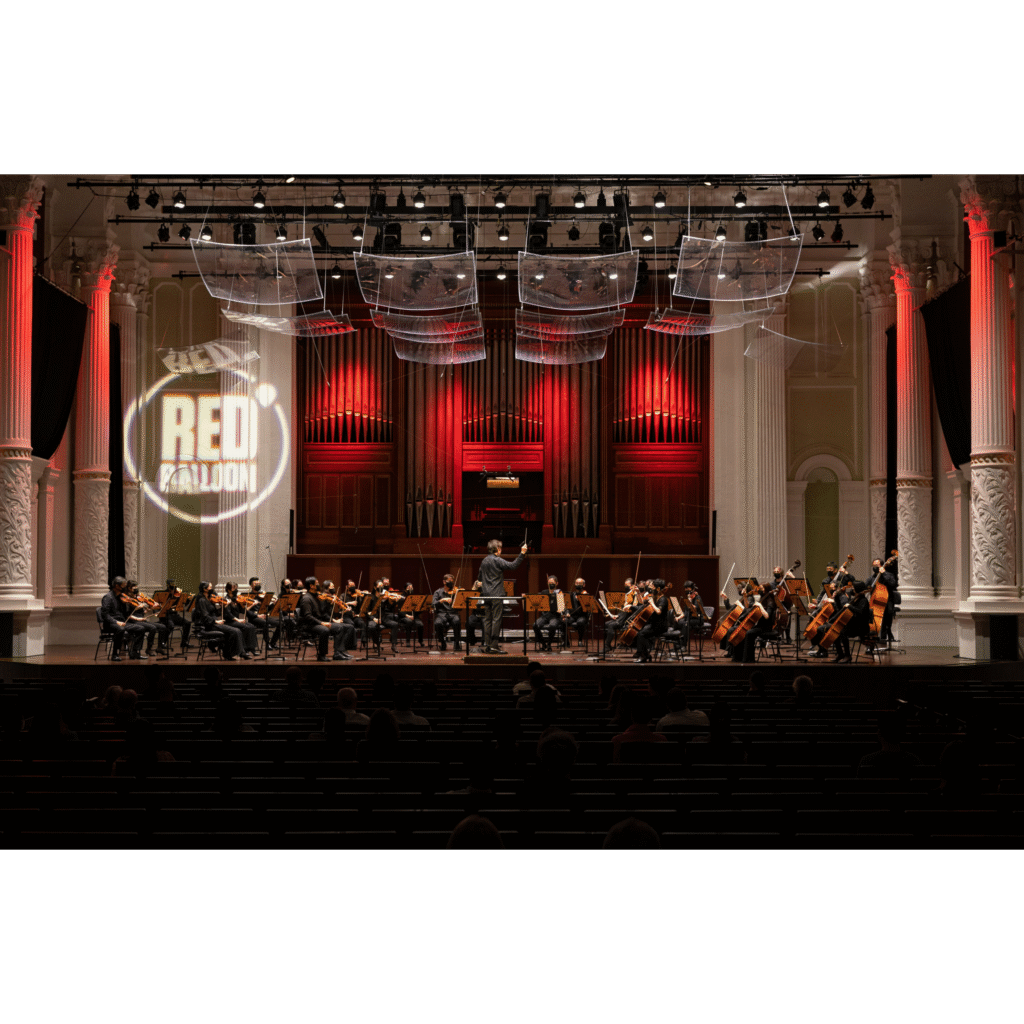
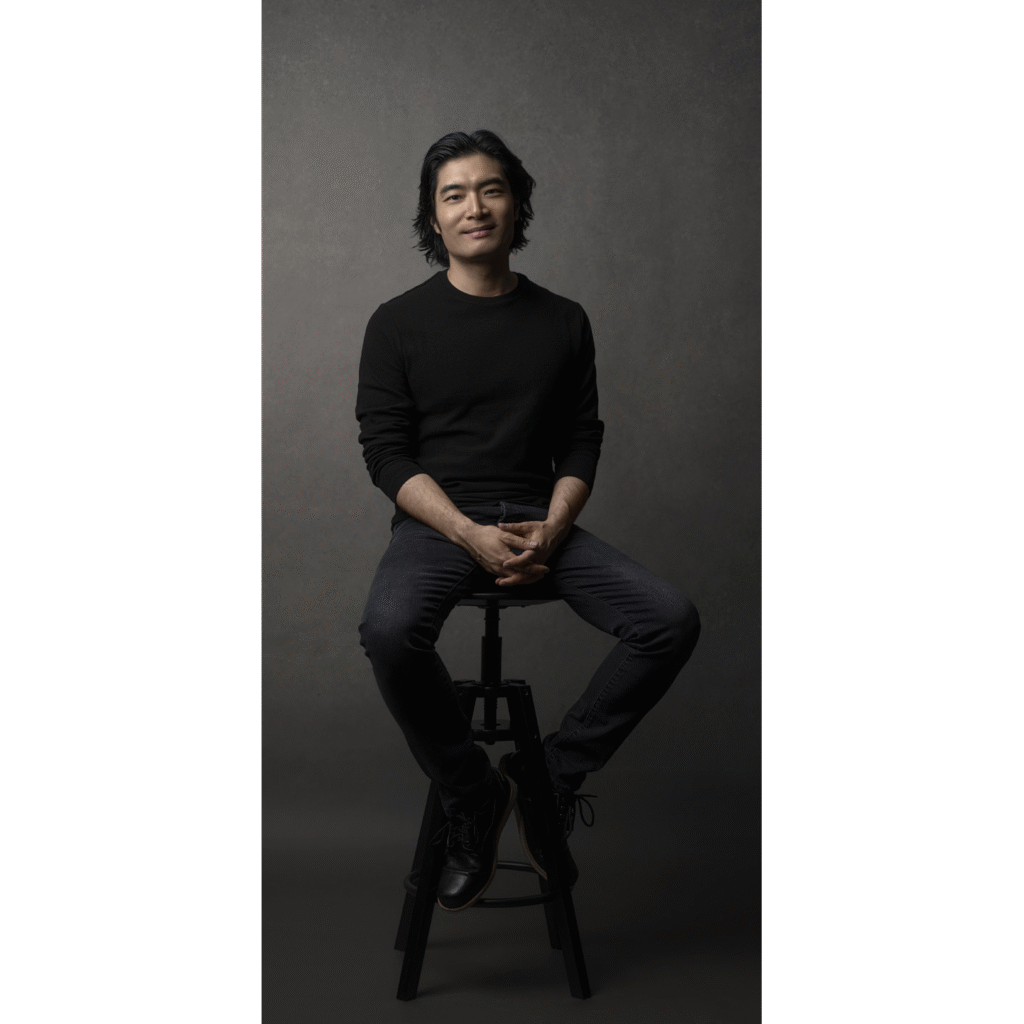
I greatly appreciated the colors of the Singapore orchestra, revealing at times a vegetal world and then a mineral one. This is undoubtedly what Williams intended when he evoked a “mythical and imaginary forest”.
The structure, moreover, is not as concertante as one might imagine, with a very prominent flute that forms part of a more unified sonic universe in the last two sections of the work. More than on pure melody, the work relies on timbre. The contrasts between the airy sweetness of the flute and the metallic or woody dryness of the percussion and strings create a striking and, at times, very harmonious texture. A beautiful exercise in juggling contrasts and harmony.
Essay for strings is an early composition (1965), a concert piece for string orchestra, in a single movement, and already revealing the full maturity of John Williams’ style.
The piece borrows elements from atonal music and dodecaphony, without rigidly adhering to their rules. The composer also incorporates influences from Béla Bartók.
It opens at an adagio tempo with a heavy, dramatic, and menacing atmosphere. The dynamics alternate strikingly between very loud (triple forte) and whispered silence (triple piano).
John Williams compared the end of his piece to a musical cyclotron (a particle accelerator). The rhythm races ahead in a feverish allegro molto where a motif of repetitive sixteenth notes propels the orchestra towards an explosion of frenetic energy.
Originally, Souvenirs de Voyage was a quintet for clarinet and strings. This work is presented here in its world premiere recording in an arrangement for solo clarinet and string orchestra by the late Hans Sørensen. The soloist is clarinetist Ma Yue.
Souvenirs de Voyage reveals a profoundly lyrical, contemplative, and nostalgic composer. The work is more in the tradition of British chamber music than in the Hollywood aesthetic of his film scores. A pervasive sense of nostalgia pervades the piece. Composed late in the composer’s career, it can be understood as a reflection on the passage of time and the memories accumulated over a lifetime.
The result is a score of great twilight beauty, more intimate and personal than the dramatic nature of the soundtrack to “Psycho”…
After the windswept and arid landscapes of the first movement, and the mournful meditation of the second, the finale seems to offer a kind of appeasement. The music doesn’t truly resolve the preceding tensions but transforms them into a serene memory, almost a nostalgia for the end of life…
Hugo Friedhofer’s “Suite for 5 Woodwinds” is a chamber music work composed in 1973 for wind quintet. Although relatively unknown, it is of particular interest because it reveals the musical personality of a composer who was primarily famous in Hollywood, notably for the scores of “The Best Years of Our Lives” (Academy Award 1947), “An Affair to Remember,” and “The Bishop’s Wife.”
This recording is also a world first, as the score had remained forgotten for a very long time.
Unlike Bernard Herrmann or John Williams, Friedhofer never really sought to develop a parallel career as a concert composer.
However, his skill as an orchestrator and his exceptional mastery of timbres make him one of the most refined technicians of Hollywood’s golden age.
Friedhofer’s compositions are characterized by extremely transparent orchestration, great harmonic sophistication, and a marked taste for instrumental colors.
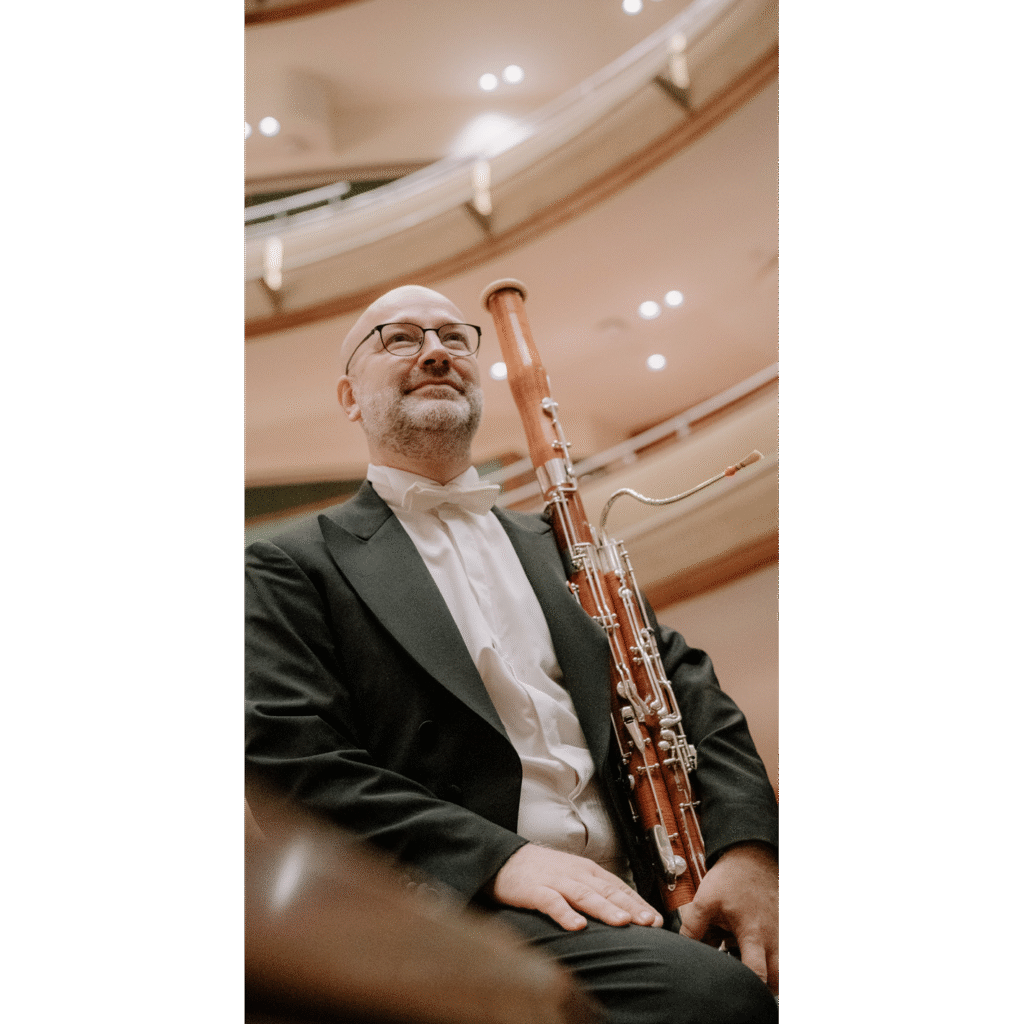
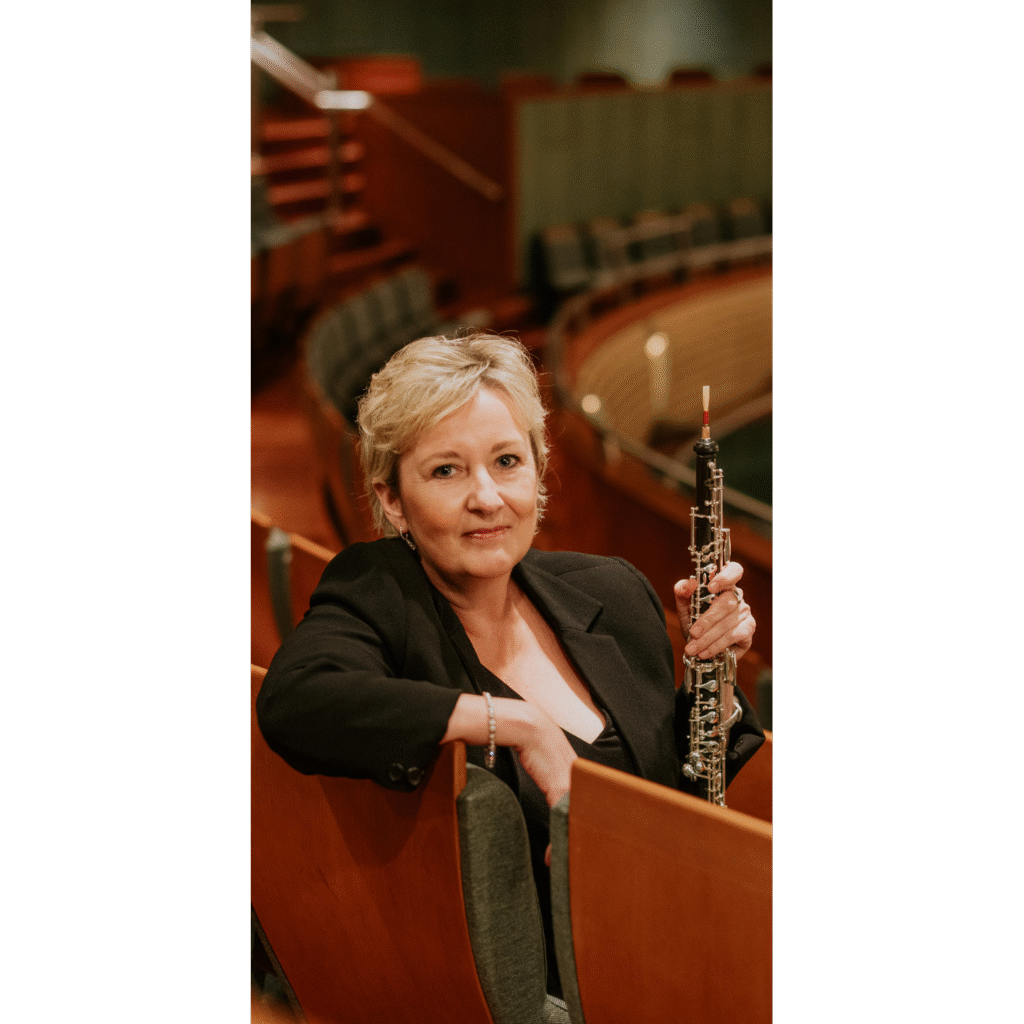
This wind quintet brings together a flute, an oboe, a clarinet, a bassoon and a horn. The flute retains a central, almost concertante role in this performance.
The appeal of such a collection lies in the extreme diversity of its colours.
Each instrument here retains its own individuality, while participating in a very balanced collective texture, and developing a great stylistic variety, with some similarities to the works of Ligeti and Webern.
It is a work that is both complex and at the same time very accessible, a sign that this narrative side remains anchored in the rare works that Friedhofer composed outside of his attachment to the cinematic world.
What more can be said, and in conclusion, except that the recording and sound quality is particularly well done, making it a remarkable, captivating, and informative production, more than enough to justify a very thrilling experience.
- Title: John Williams – Flute Concerto / Bernard Herrmann – Travel Memories.
- Artists: Jin Ta (flute), Ma Yue (clarinet), Singapore Symphony Orchestra, Darrell Ang / Joshua Tan (conductor).
- Format: PCM 24-bit, 96 kHz.
- Sound engineers: Daniel Tan, Mina Kim, Dominik Streicher, Kseniya Kawko, Ephraim Hahn.
- Publisher/Label: Pentatone.
- Year: 2026.
- Genre: Classical.
- Interest of the HD format (Exceptional, Real, Debatable): Real (Native DSD download).