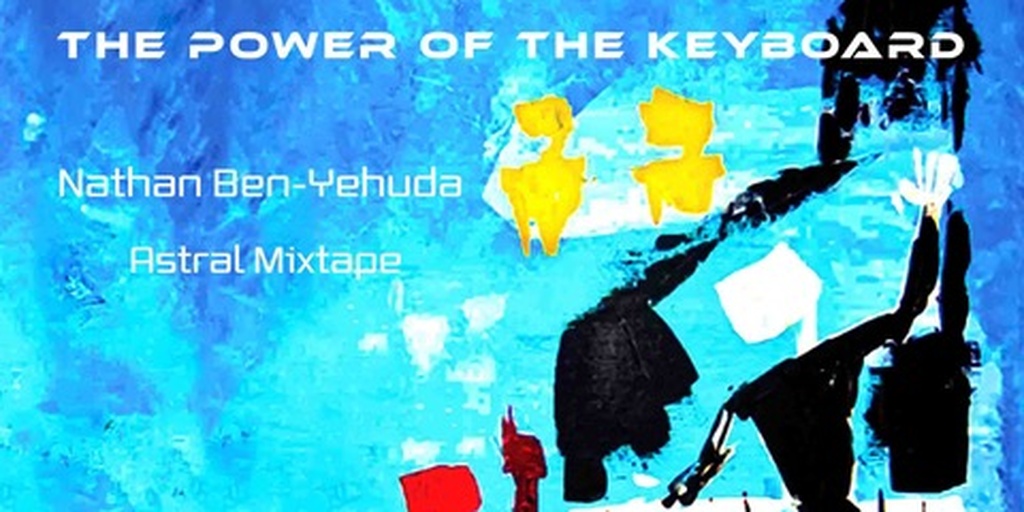
![The Power of the Keyboard: Yarlung's 20th Anniversary Edition [Pure DSD - Direct Mixed]](https://media.cdnb.nativedsd.com/storage/nativedsd.com/wp-content/uploads/2026/10/01162624/YAR30220DSD-190x190.jpeg "YAR30220DSD.jpeg")
Dear Classical Piano and Electronic Music enthusiasts at NativeDSD,
To celebrate the 20th Anniversary of Yarlung Records, Arian Jansen and I returned to the original source files for The Power of the Keyboard to create a special mastering for you. This album includes some of my favorite piano repertoire of all time, and I wanted you to hear it in full glory. After this solo piano repertoire and especially the two Astral Mixtape tracks were such a hit at the Munich High End Show in 2024, we knew we should revisit the entire recording. Tom Caulfield kindly mastered these files in the various DSD formats in which NativeDSD specializes, using Jussi’s proprietary HQP system.
Next year, we anticipate Yarlung’s first 180 Gram 45RPM vinyl release of Nathan’s spellbinding Gaspard de la Nuit as well, which is of course included in this new DSD edition.
Nathan pursues a fulltime solo concert career as a classical pianist but also performs regularly with Astral Mixtape, his innovative crossover quartet writing new works and reimagining classics from Monteverdi to Rimsky-Korsakov, and playing with ideas and thematic material from Sigur Ros to Radiohead and Four Tet. We end this album with two tracks by Astral Mixtape. Track 6 offers Goddess Gardens, including intoxicating “mixtape” snippets from Scheherazade and Vaughan Williams’ Lark Ascending, as well as more recent fare. Seven Hellos closes the album on track 7, an original composition by the four members of the quartet. Astral Mixtape is clearly close to Nathan’s heart.
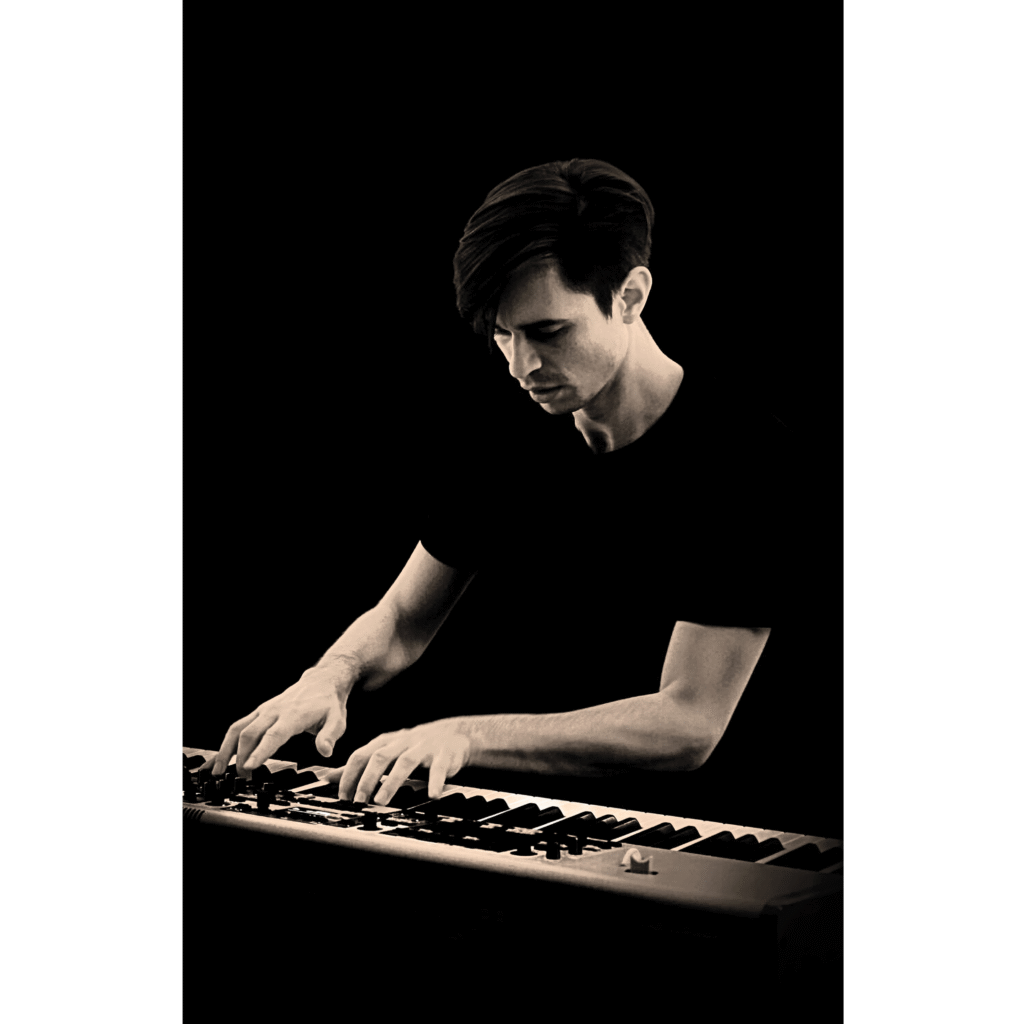

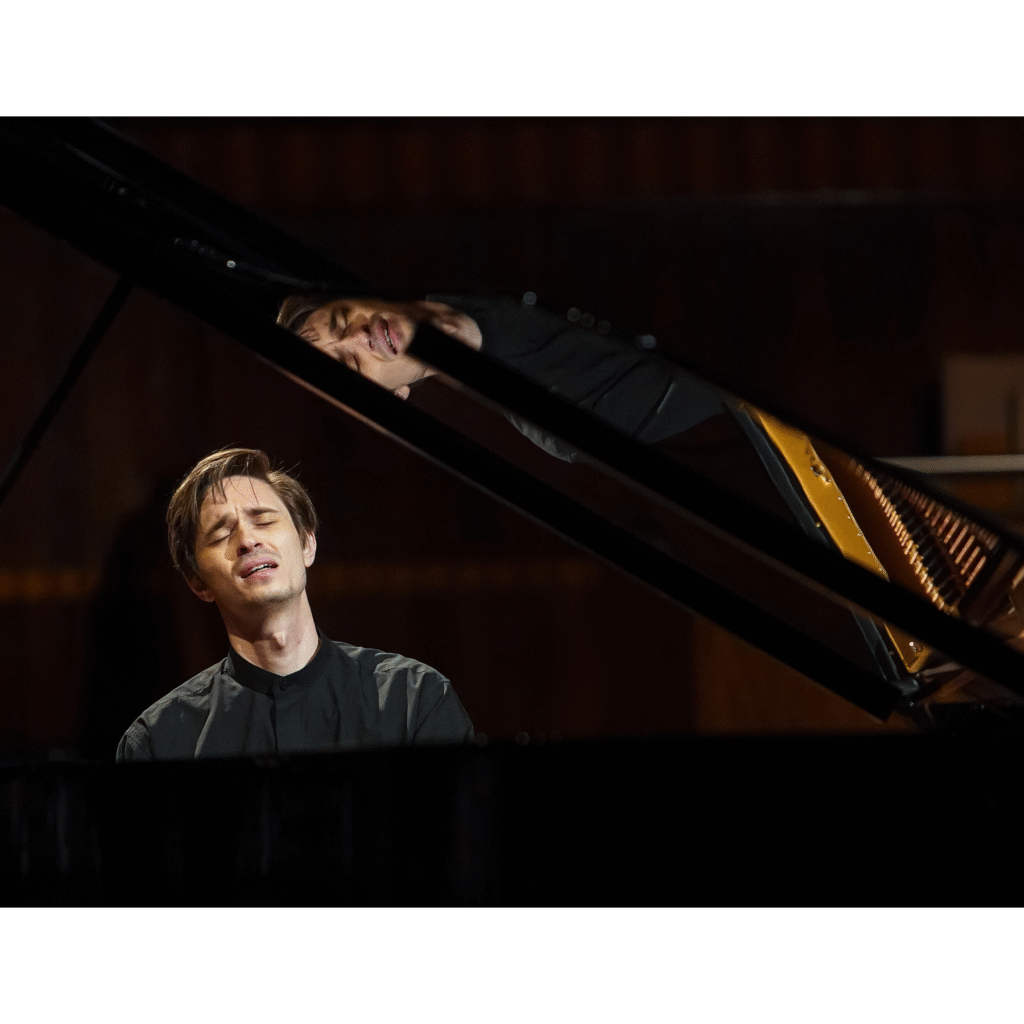
Nathan’s solo piano repertoire makes a powerful statement; not only can Nathan handle the thorny Knussen Variations, but he plays Haydn beautifully, and he recorded my favorite performances to date of both Ravel’s Gaspard de la nuit and Villa-Lobos’ Rudepoêma. Nathan kindly agreed to play Peter Sculthorpe’s Nocturnal by special request. My father is 92 and deserves much of the credit for introducing me to classical music at an early age. While my mother steered me in the direction of contemporary classical music, my father opened my eyes and ears to opera, symphonic music and classical piano repertoire especially. He heard Sculthorpe’s Nocturnal on an earlier Reference Recordings CD and brought it to my attention. Nathan and I recorded Nocturnal again for my dad and I would hazard a guess that Nathan created the definitive interpretation.
I thought you might enjoy Nathan’s own words describing the music he plays for you on The Power of the Keyboard:
Nathan Ben-Yehuda’s thoughts on the music…
“The works on this record have played a powerful role in my growth as a musician. Many of these pieces changed how I thought about music and shaped who I am as a pianist. I understand Maurice Ravel’s veneration of Joseph Haydn when I play Haydn’s Sonata in G Major, where simple, elongated melodies are grounds for ample variation and ornamentation. Ravel channels Haydn’s exquisite eight bar melody at the opening of his Allegretto Innocente in the opening mystical, aquatic melody of Ravel’s Ondine from Gaspard de la Nuit. Even as you can hear water rippling and undulating with increasing vigor, this opening song finds its way into every new texture in the piece; the water nymph’s impassioned sorcery emanates from this power. But just as there is tragedy in Aloysius Bertrand’s telling of Ondine, where the man she loves prefers the affections of a mortal, there is an encroaching darkness in Haydn’s sonata as well: short, interruptive motifs in the parallel minor key which appear between variations, looming clouds which threaten to ruin a lovely afternoon. Fortunately the charm of the movement is not ultimately disturbed, and just as Ondine brushes away her grief, giggling and disappearing in a torrent, Haydn’s Allegretto Innocente movement ends with brash and good natured humor.
“Haydn’s humor becomes almost slapstick in the brief Presto second movement. I was lucky to hear Paul Lewis perform this piece at Tanglewood, and I was thrilled with how he managed to use this sonata as a finale to his program, inciting laughs and elation in the audience even while he was playing. I told him afterwards how much I enjoyed that piece particularly, and he said something to the effect of “Oh yes, it’s some real Tom and Jerry stuff!” This piece represents essential Haydn for me: the composer successfully portrays naive exuberance with eloquent means.
“In Gaspard’s third movement, Scarbo, Ravel reveals this same compositional skill. I see our little goblin as terrifying, but playful, perhaps unaware of just how sinister he can be to those he torments. His scuttling about in the dark, his demonic whispers and fearsome transformations are just games for him. When I play Gaspard, I try to keep the lighter side of these games in mind, up to the moment when the horror is so great it envelops the music completely.
“While Ravel sought to illustrate poetry through music in Gaspard de la Nuit, Heitor Villa-Lobos’ Rudepoêma is a mammoth poem in itself. Inspired by his friendship with Arthur Rubinstein, Villa-Lobos intended the work to be an intimate portrait of the pianist’s temperament. The brutality in this work can be especially shocking to people familiar with the nobility and elegance of Rubinstein’s recordings; indeed Rudepoêma demonstrates a raw, often violent character. I must have listened to a recording of this work over a thousand times when I was nine years old. I remember how drawn I was to Rudepoêma’s wildly innovative harmonies. And even at that age, before I had enough keyboard technique to actually play this piece, I spent many hours improvising on the piano trying desperately to capture and reflect Rudepoêma’s massive sonorities. It was not too much of a good thing, apparently, since this plangency still fills me with intense excitement when I play the piece now. When you listen to our recording, please focus on the lush harmonies under fragments of Brazilian folk tunes, the influence of Jazz in the rhythmic language, and the fascinatingly orchestral texture in the piano writing, not just the piece’s violent exterior. Rather than “savage” as the title might suggest, I see this piece as wild, unbridled modernism with no limits; a true masterpiece of 20th Century piano literature.
“Oliver Knussen’s Op. 24 Variations maintains a similar personal significance to me. When I was an undergraduate at the Royal Academy of Music in London, I played the piano part in Knussen’s chamber symphony work Two Organa with the composer conducting. I had such limited experience with orchestra playing at the time and Knussen’s incisive ear could and did pick out the tiniest discrepancies. I was completely intimidated. Even while Knussen was relentless in ensuring his standards were met, he was patient with me, and encouraging. In practicing these variations, I always imagine what the composer would say if he heard it: he would want a particular counterpoint to come out just so, for a chord voicing to be carefully balanced to make the theme clear. In other words, the kind of care one must take with a variation by Haydn or Beethoven.
“In this piece I hear the influence of so many of my favorite composers, particularly Toru Takemitsu, Anton Webern, Igor Stravinsky and Aaron Copland, and certainly Maurice Ravel. Knussen dedicated the piece to Peter Serkin, with whom I studied at Bard College after earning my Master’s at Juilliard. When I play Knussen’s Variations, I always try to capture the vast contrast and dynamism that Peter inspired and encouraged in my playing.
“Darkness plays an important role in the solo piano works on this album, darkness in sound, in mood, or in references to text. Peter Sculthorpe offers a particularly unusual and magical take on darkness, as his Nocturnal captures spaciousness and darkness while conjuring a fervent growing energy, building ever stronger as the piece progresses, like a primordial or mythical animal awakening under the bright stars of the southern hemisphere.
“I love the contrast with Ravel’s middle movement, Le gibet, depicting a person hanging dead on a gallows in the middle of the desert. In contrast with Nocturnal, Le gibet is intended to be pale, listless and lifeless, hopeless and full of despair. Bob told me he particularly liked the evolving tension in my version of this movement, but I tried to remember the perpetual squeaking of the gallows, as a body sways with a morbidly steady rhythm. Whereas I love the persistent bass drum in Nocturnal, a sound emerging from deep inside the earth as the vast Australian outback awakens to the night.”
My father joins me in saying thanks to Nathan and to all of you at NativeDSD who support music like this.
Sincerely and best wishes for a nice autumn,
Bob Attiyeh
Producer