
Bartok in Pure DSD 256
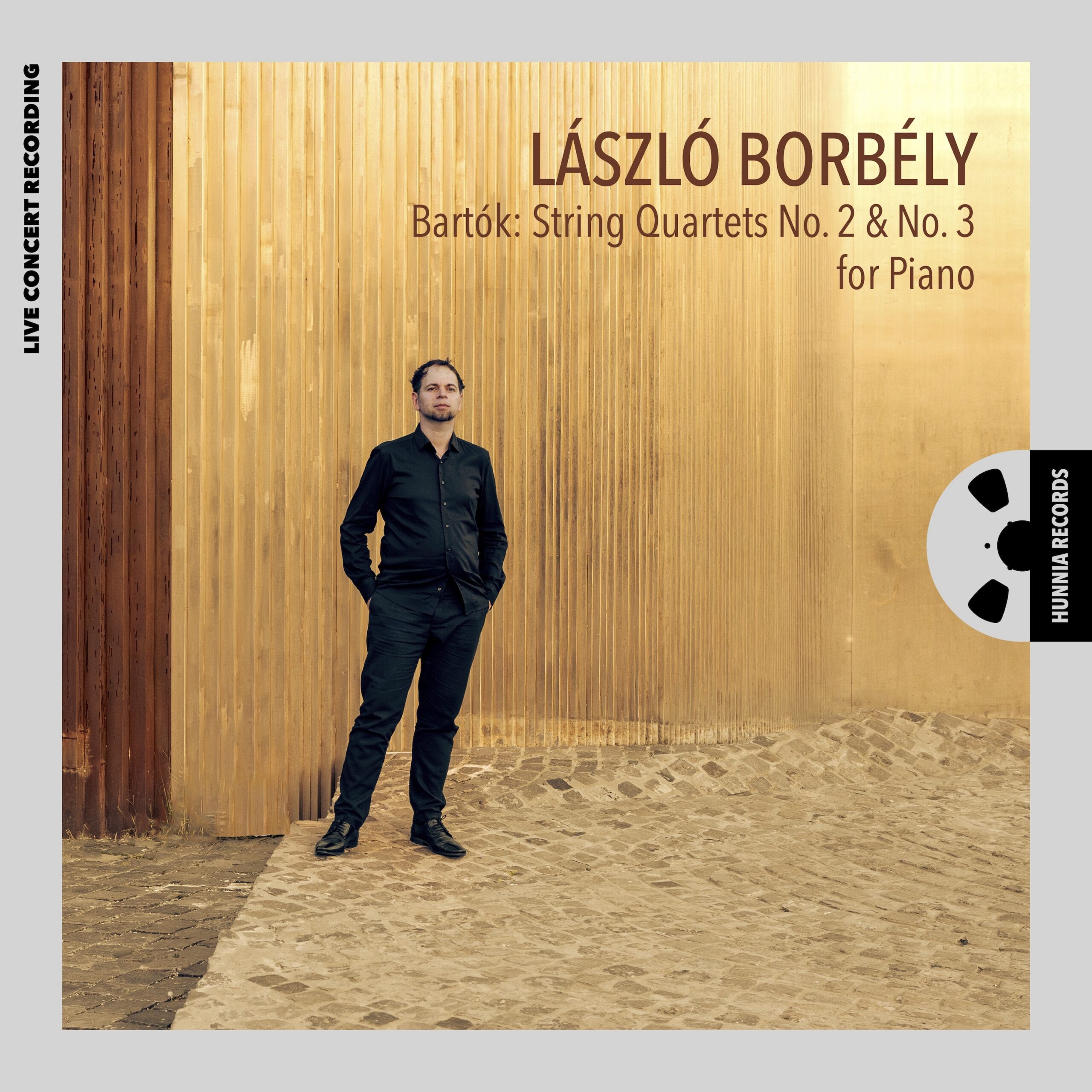
Bartók String Quartets No. 2 & No. 3 for Piano is a World Premiere Recording in Pure DSD 256 from Hunnia Records. It is exclusively available in Pure DSD 256 from NativeDSD.
The listener may rightly ask: why transcribe works as historically significant as Bartók’s unsurpassed quartets? The two transcriptions featured on this album were created to offer an opportunity to rediscover these works through one of the piano’s key characteristics — the consistency of its precise intonation — while also enriching their interpretive history. With our selection, we aim to make a meaningful contribution to the reception of Bartók and shed new light on the chosen pieces.
Given the considerable body of literature on these works, rather than analyzing them in detail, I feel it’s essential to focus on the thoughts of the composers who transcribed them, Péter Tornyai and Marcell Dargay. Tornyai, who transcribed Quartet No. 2, explains: “During the process, I encountered fewer and smaller problems than I had anticipated, because I initially thought I would have to change a great deal to make the work performable on the piano. Major revisions were necessary where the sound of the two media — string quartet and solo piano — determines the material. A note played on a string instrument, unlike on the piano, can still change after it has sounded, by growing louder or fading away.” On the piano, only the illusion of this can be created — but if strong enough, that illusion can produce a sound that is almost “alive.” It is precisely this abstraction that makes the piano suitable for transcriptions of this nature. In Tornyai’s version, numerous chords are expanded and broadened compared to the original, retaining the characteristic overtones of string instruments and transforming them into unique resonances on the piano. As Tornyai notes, “even in the case of slow, successive notes, it was necessary to fill the sonic spaces with the acoustic additions outlined above, creating new acoustic layers.” As an active chamber musician and quartet violist, his own performing experience often shaped his choices in the transcription process. In short, because the sounds in Quartet No. 2 are “much better able to carry the material,” only minimal changes were necessary.
For Dargay, the density and expressive diversity of the Third Quartet called for a different kind of revision: the necessary omission of certain notes, since the piano’s hammer mechanism would otherwise “shed” the density of the original. The Third Quartet, being more compact in duration than the Second, must communicate with the listener in a shorter span of time. Dargay notes that he doesn’t ask performers to use techniques outside Bartók’s own repertoire — though the temptation was great — relying only on the sustain pedal and, in places, glissandos. This limitation particularly inspired him during the process. The result is most evident in its “distinctly pianistic solutions”: since Dargay maintains an inseparable connection with the piano, it’s no coincidence that he sought analogies with Bartók’s own piano works. The work and its arranger have entered into a symbiotic relationship here, too.
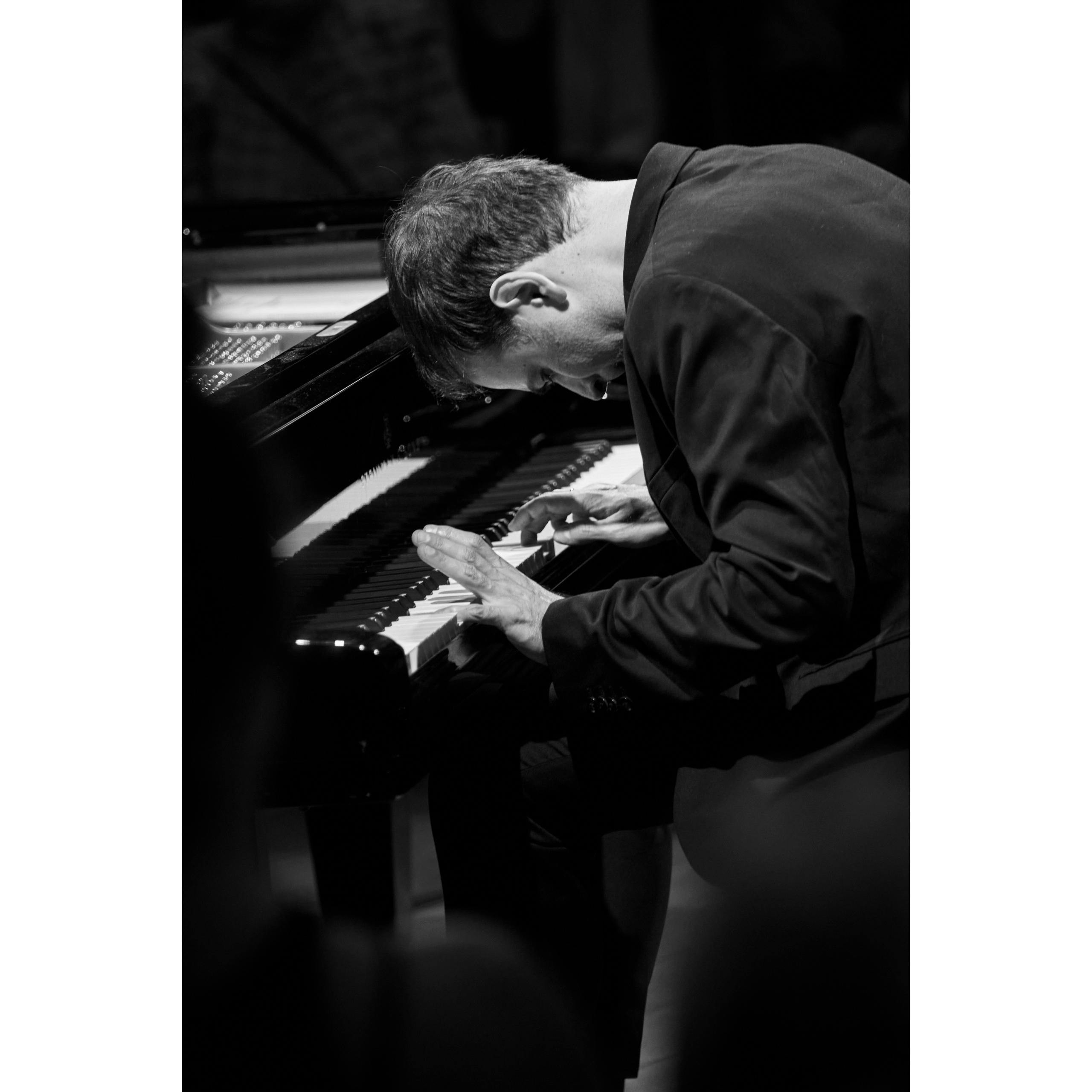
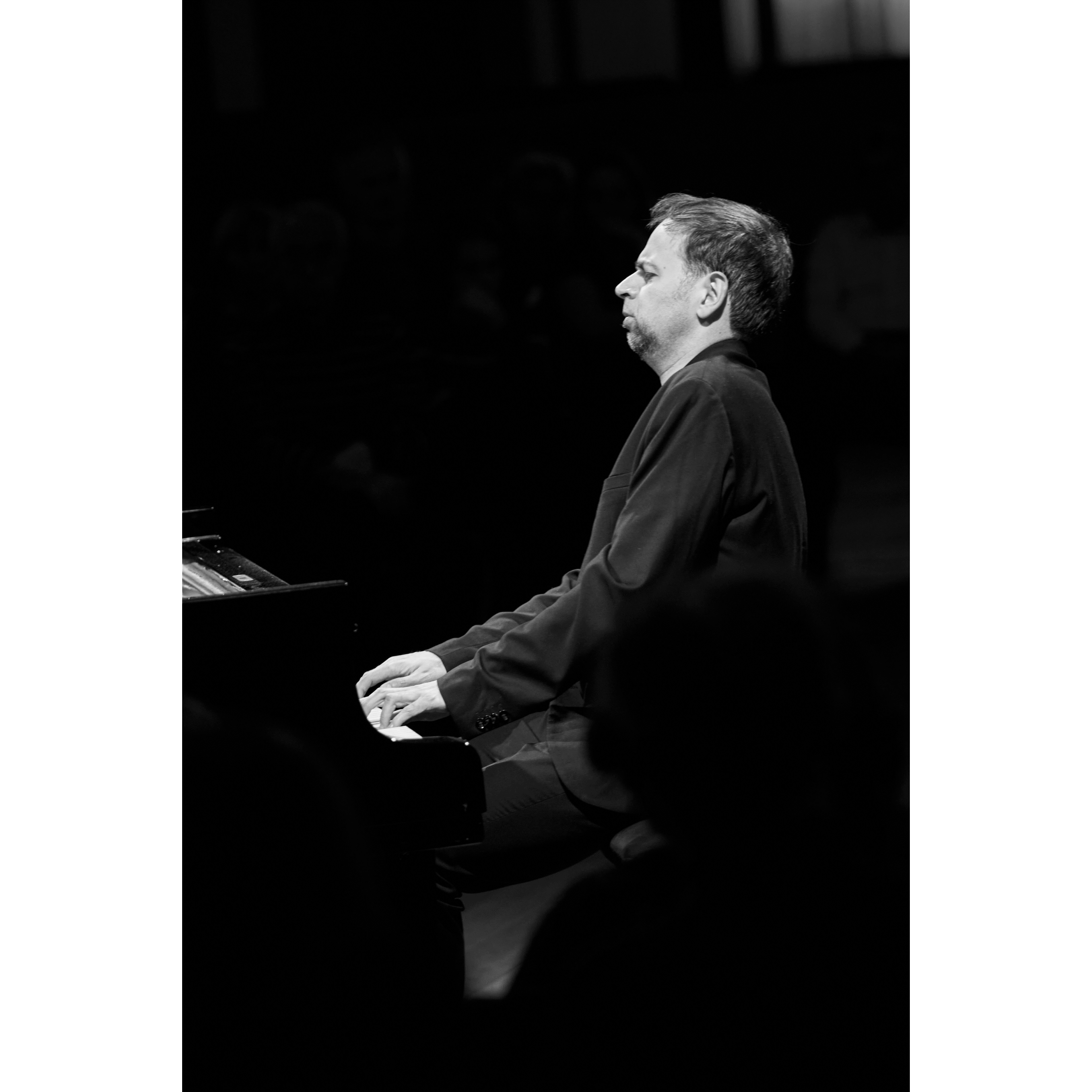
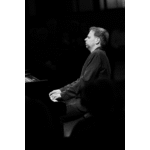
László Borbély, Piano
Tracklist
Please note that the below previews are loaded as MP3.Total time: 00:44:55
Additional information
| Label | |
|---|---|
| SKU | HRES2613 |
| Qualities | DSD 128, DSD 512, DSD 64, DSD 256, DXD 32 Bit, DXD 24 Bit, FLAC 192 kHz, FLAC 96 kHz |
| Channels | |
| Artists | |
| Composers | |
| Genres | |
| Original Recording Format | |
| Instruments | |
| Recording Location | ProVibe Park Studios |
| Recording Engineer | Sándor Árok |
| Producer | Róbert Zoltán Hunka |
| Mastering | Tom Caulfield (DSD Mastering) |
| Analog to Digital Converter | Merging Technologies Hapi MKII |
| Equipment | Microphones: DPA 4011 Other Gear: Studer 962, GML 8200, Maselec MEA-2, Maselec MPL-2 |
| Release Date | June 26, 2026 |
Only logged in customers who have purchased this product may leave a review.





Reviews
There are no reviews yet.