Aliud Records
Timeless Music, Limitless Sound
Current Label of the Month. Explore Now.
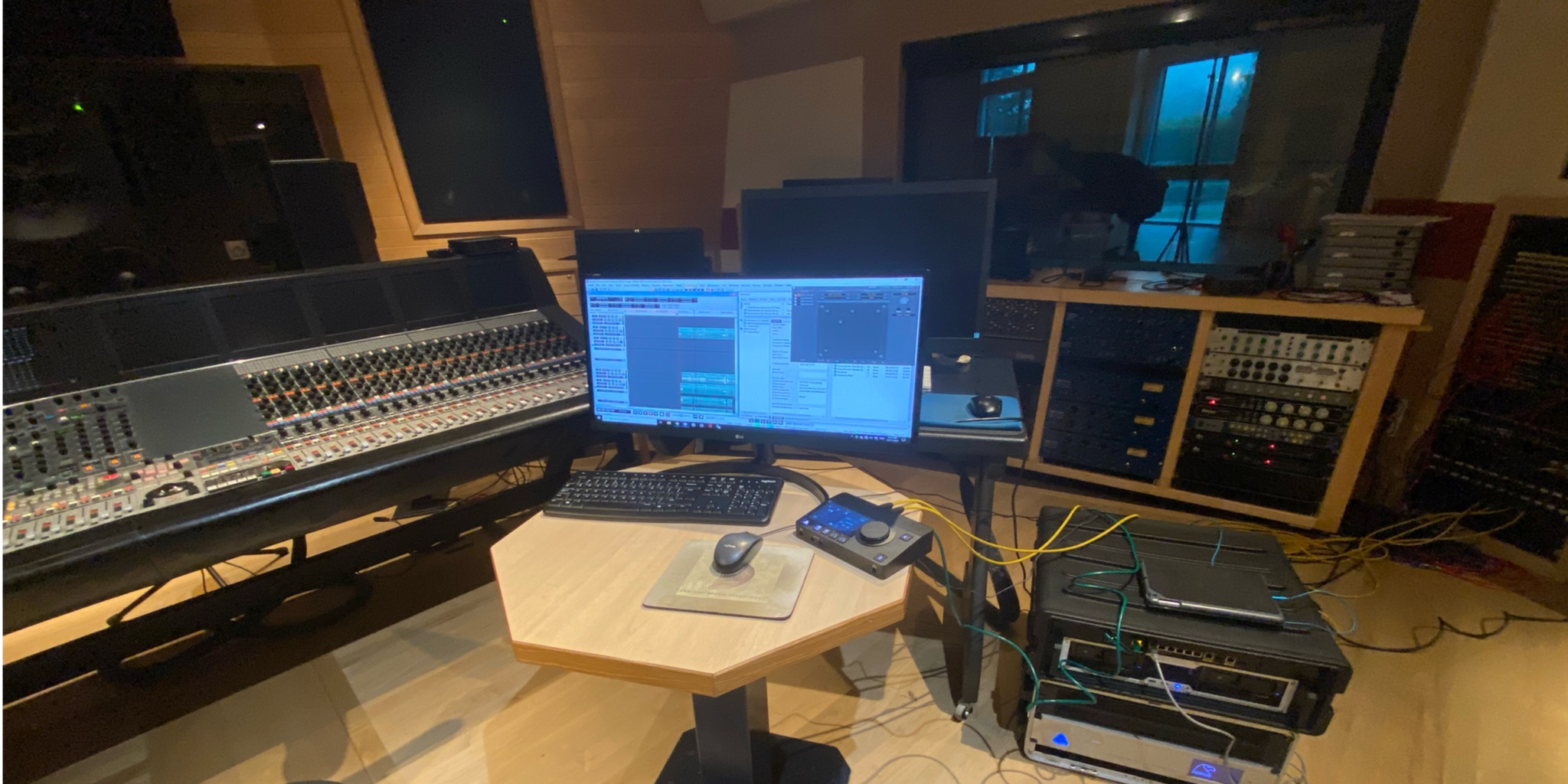
Aliud Records, based in Joure, has been active since 1982, with founder and owner Jos Boerland at the helm: “I drifted into the recording world as a conservatory student, and you could safely call it a hobby that got completely out of hand.”
The story of Aliud Records begins around 1978, when percussion student Jos Boerland walked into Eringa Geluid, a hi-fi shop in Groningen. Bert Oling, a salesperson there, wanted to make a recording of Hendrik Andriessen’s Kuhnau Variations with the Regional Youth Orchestra, in which Boerland played. Because the piece contained no percussion, he was asked to make the recording. That first session marked the beginning of a long series.
In 1982, Ensemble Super Librum asked him to record their debut album, and that is where the label began. The label naturally needed a name, one that matched Boerland’s youthful reputation as an unconventional thinker. Jan Kees Braaksma of Super Librum suggested Aliud, Latin for “different.”
Early Music is Jazz
According to Jos Boerland, the foundations of the Dutch music scene have not changed much since then. Over the years, he has played in various orchestras, taught music, and developed recording services alongside his musical work. He still has his own graduation recital, Concertino for Xylophone and Orchestra by Toshiro Mayuzumi, on DAT tape; it is now available on Spotify and other platforms. It is not mainstream repertoire, but it adds something valuable.
That also reflects the Aliud philosophy. As a label, Aliud is different and highly diverse, ranging from early music to jazz, tango, and wind band music. For Boerland, however, the connections are what matter most. Early music was originally improvised music, just like jazz. And the performers themselves are an inspiration.
In the 1990s, it was still common for independent labels to pay musicians and studios for recordings. Around the turn of the century, the business model changed and the market was turned upside down. In many cases, classical musicians had to finance their own recordings and then look for a label or distributor.
To this matter Jos states: “We have never worked that way. We still record everything ourselves, in close collaboration with the musicians. My starting point is simple: I believe in our musicians and in the repertoire, however broad it may be. A CD is a calling card, an extension of performances, social media, and whatever other promotional tools are used. A small but strong label with international distribution can sometimes be a springboard. Our CDs receive strong international reviews. For example, our tango CD Ahora received a Grammy nomination, and the jazz CD The Shakespeare Album won an Edison Award. That helps put you on the map. We also released harpist Anneleen Lenaerts’ debut CD, Chopin & Liszt, with which she won the Klara Music Prize.”
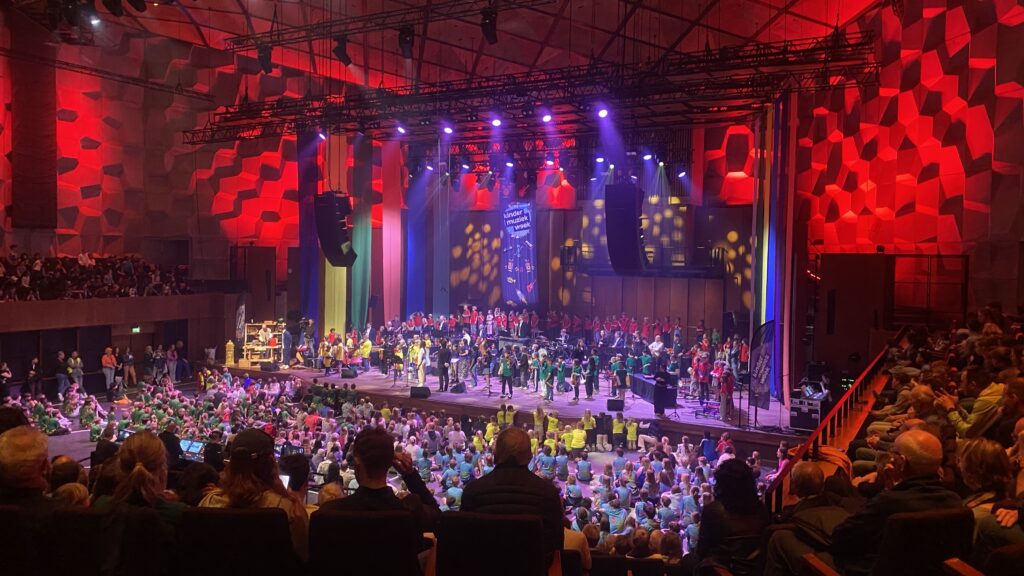
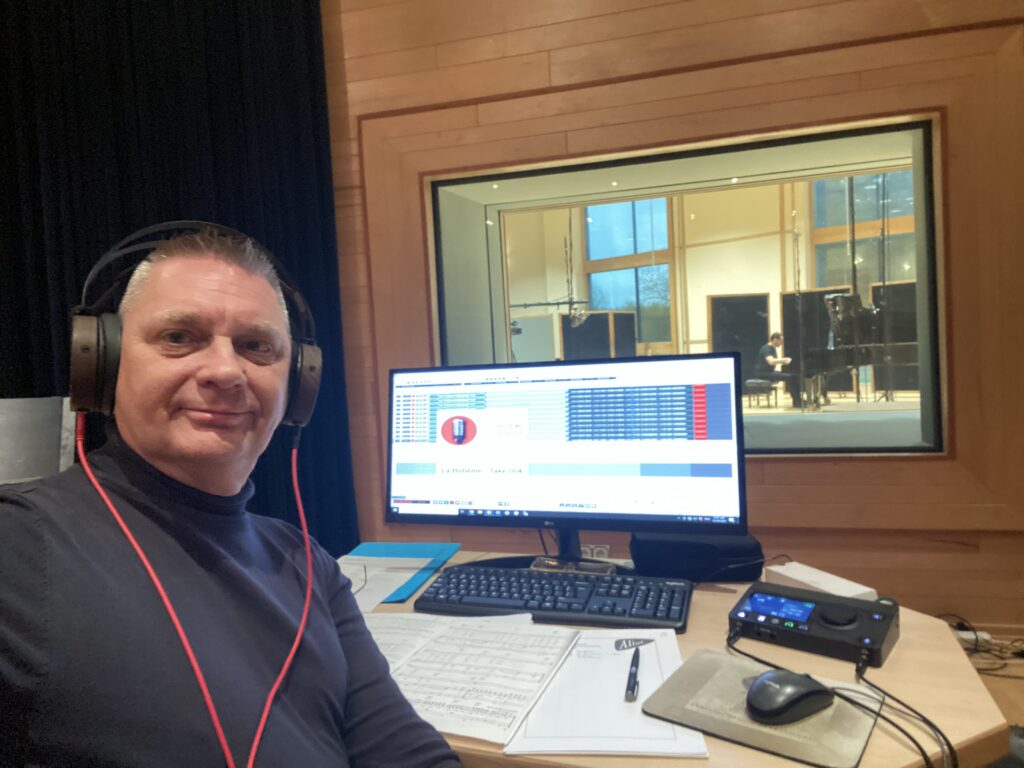
Even in the golden CD years of the 1980s, Boerland never treated Aliud Records as his only activity. “I was still performing, teaching music, and running a service company focused on audio recording and mastering for CD production. I embraced digitalization in the 1980s and bought a Sony mastering system to create digital CD masters on U-Matic videotape. From the mid-1990s onward, this changed with the arrival of computers and audio editing software.”
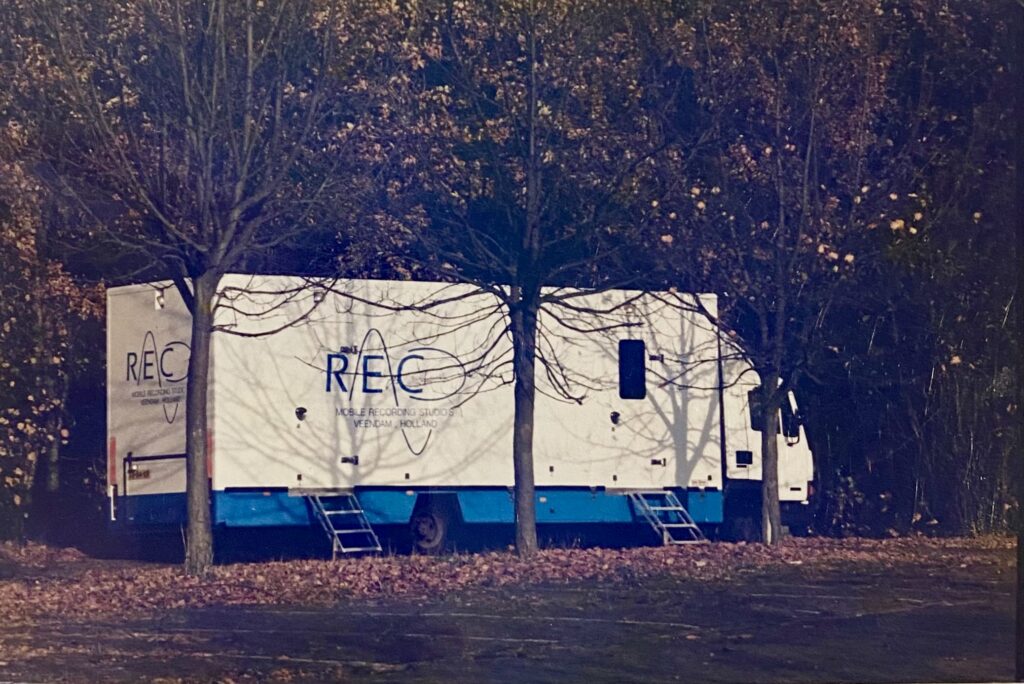
Jos Boerland continued to make recordings for third parties. At one point, he even had a recording truck. From 1996 to 2005, he worked at music publisher De Haske, where he set up a recording studio. However, the ambitions were not fully aligned, which led Boerland to give Aliud Records new life in 2005 and begin introducing innovations on both the musical and technical side.
He was looking for something that would make Aliud Records stand out, something that could justify its existence in the jungle of labels and releases. He found that in quality, innovative sound formats, and a fitting business model. Boerland was ahead of the curve in the development of Hi-Res audio formats, and from 2005/2006 onward he actively searched for ways to give natural acoustics a greater role in recording and playback. It was not only left/right or front/back that mattered, he discovered; height proved to be essential as well.
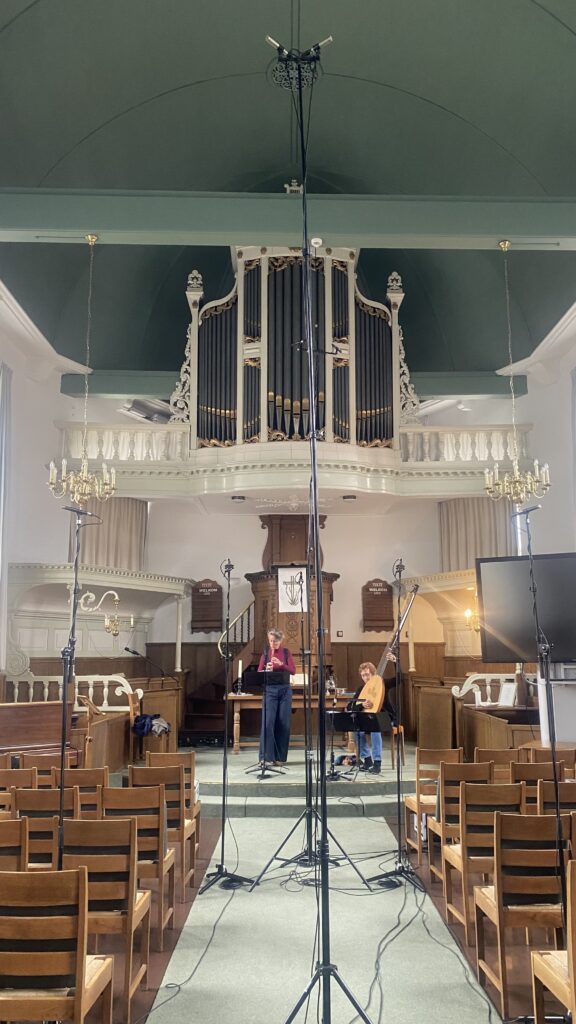
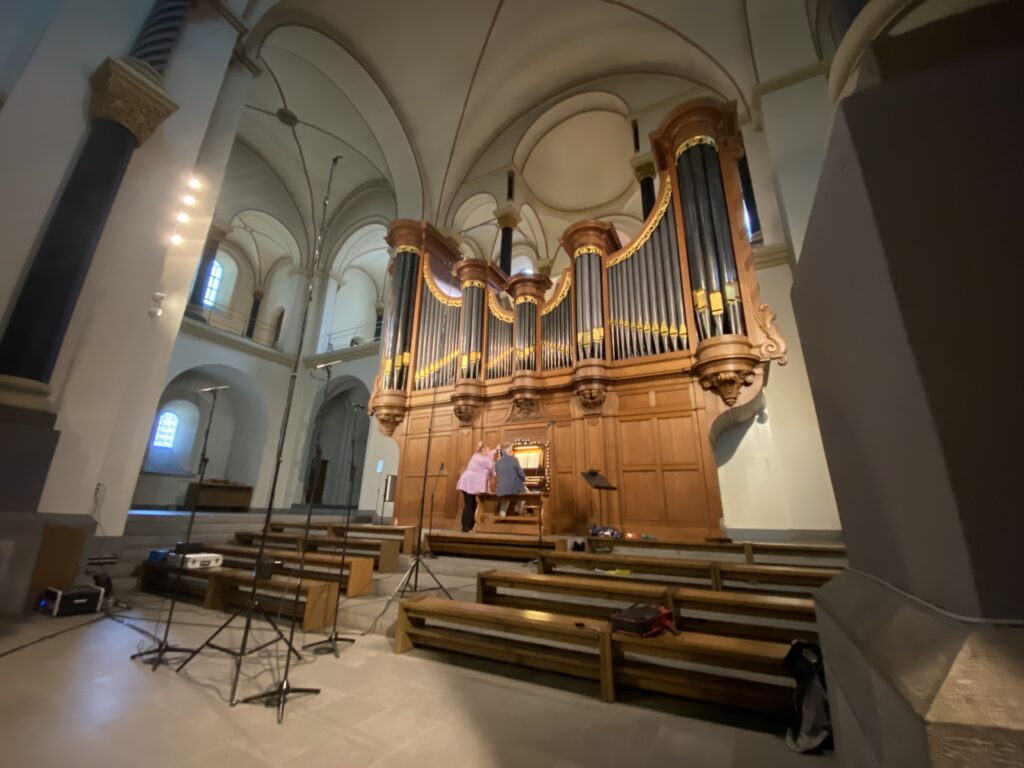
From 2008 onward, he began recording in 3D Audio, making him one of the early pioneers in the field. That same year, Jos Boerland met Wilfried Van Baelen of the renowned Galaxy Studios and spoke with him about 3D Audio, which Van Baelen was also exploring. Van Baelen eventually developed Auro-3D, a remarkable format for reproducing immersive sound. Since 2008, all of Aliud Records’ own productions have been recorded in immersive sound.
Aliud Records also works closely with the Frisian Music Archive and the City Archive of Jülich, near Aachen. Together, they have produced a number of projects featuring many composers in immersive sound. There are no shortage of plans.
All of this comes down to the same motto: “Technology is wonderful, but in the end, it is about the emotion and experience of the composition and the performance — those are the starting points. Let yourself be inspired by the infinite immersive sound of Aliud Records.”